
The principle of energy efficiency is the basis on which energy-saving devices operate. Designed to diminish energy usage — energy-saving devices serve a specific purpose. While ensuring stable performance for connected devices, it aids in enhancing overall electrical efficiency. Refer to the License for details on permissions and limitations.
If you’re aiming to conserve energy, I believe stop watt power saver that every device listed here would be a valuable addition to your home. For instance — a solar power bank may take longer to charge your phone than when it’s connected to a wall outlet. If you aim to reduce your household electricity consumption — investing in energy-saving devices remains a wise choice. When you plug this into the outlet and your devices into the front, it will display real-time readings of the power consumption. Although you must still be monitored to avoid long durations inside, this will at least help minimize your water usage.
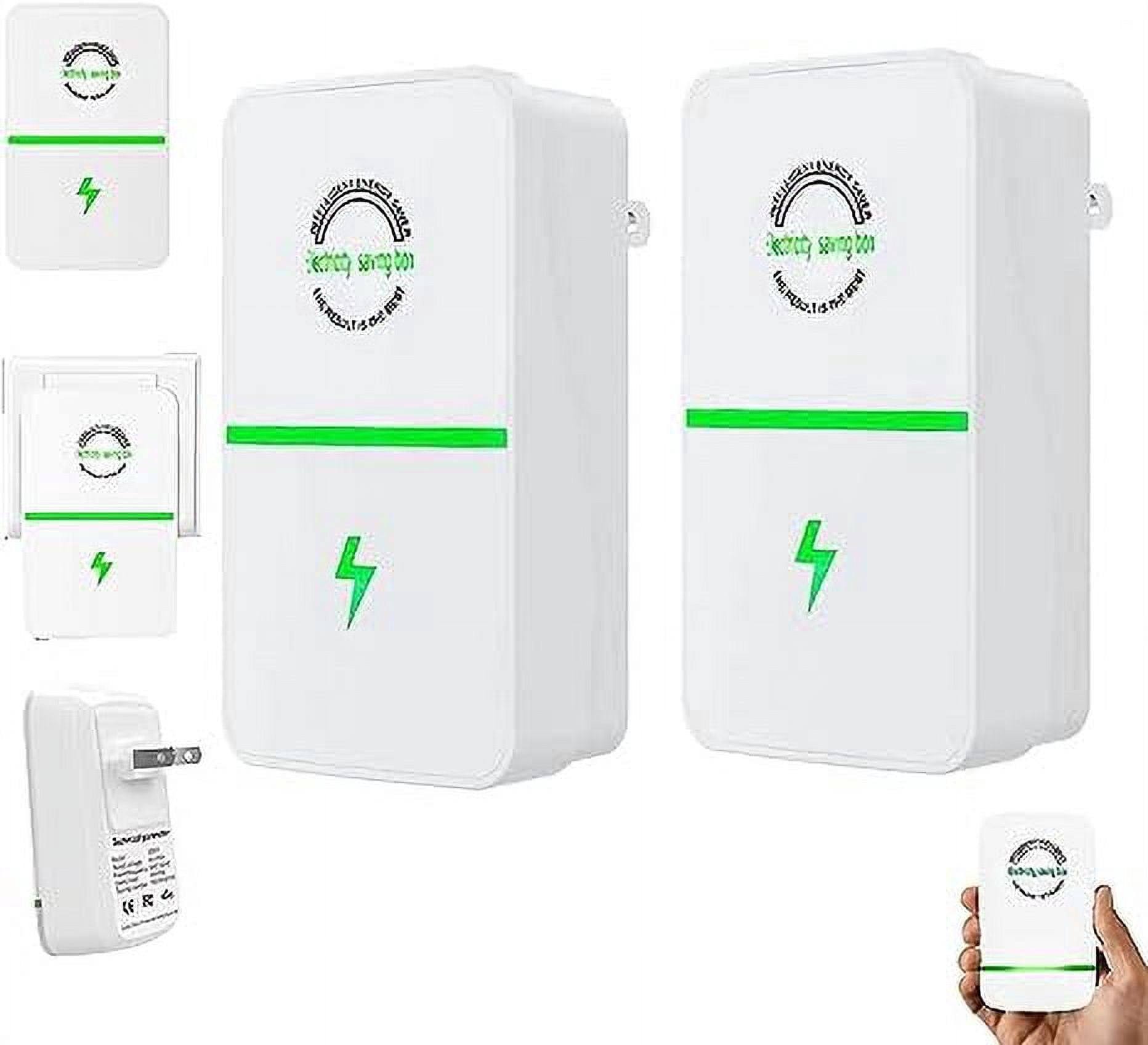
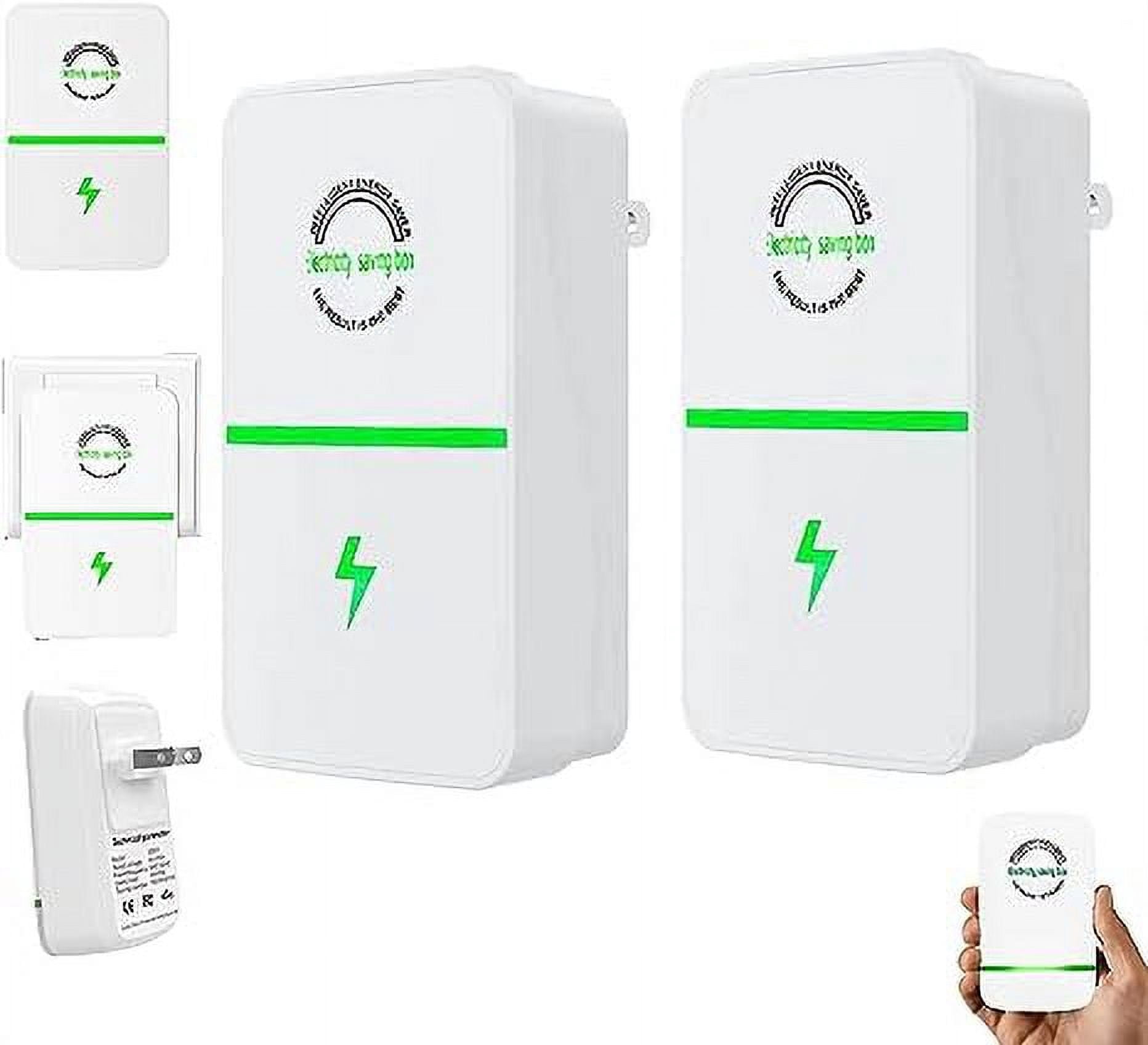
The initial step to eliminating these scams for good is exposing them. These gadgets are essentially ineffective scams, lacking any capacity to lower energy bills. While the onboard capacitor may offer slight power factor correction, it does not reduce overall energy consumption. Essentially, these are standard parts that mislead buyers by providing no energy conservation benefits.
Improved components (smarter controls), superior insulation, better designs, or more efficient motors can lead to such results. An appliance is deemed energy efficient if it achieves the same useful output with lower energy consumption. Primarily based on their kWh consumption (most homeowners are billed for electricity), although rates differ across providers and regions. The inquiry is whether those concepts result in substantial energy savings for an average household.
The go-to place for bargains, product evaluations, and consumer information.
The show also noted that if any of the devices they tested actually worked to the extent they were supposed to — the episode would have been one of the most legendary hours of television. The show noted that out of 104 fuel efficiency devices tested by the EPA, only seven showed any improvement in efficiency, and even then, the improvement was never more than six percent. The show also tested a carburetor that, according to its manufacturer, could improve fuel efficiency to 300 miles per US gallon , 0.78 L/100 km,. The show tested the hypothesis that a car with a carburetor type gasoline engine can run on hydrogen gas alone, which was confirmed as viable, although the high cost of hydrogen gas as well as storage difficulties currently prohibit widespread adoption.
The functioning of an electricity-saving device.
The greater the understanding of these concepts among people, the lesser their chances of being deceived by scams. An informed consumer community serves as the strongest defense against these deception tactics. By grasping the marketing strategies employed for these ineffective devices, you can avoid falling prey to similar scams in the future. Switching to LED lighting stands out as one of the simplest and most effective methods to lower energy use. Upon inspecting the majority of plug-in power-saving devices — one finds that their actual performance falls short of marketing claims.
The significance of the device’s type.
However (running leaner than the manufacturer intended can cause overheating), piston damage, loss of maximum power and poor emissions (e.g., higher NOx due to higher combustion temperatures, or, if misfiring occurs, greater hydrocarbon emissions). Modifying the accessory drive system can increase fuel economy and performance to some extent. Fuel-saving devices are sold on the aftermarket with claims they may improve the fuel economy (the exhaust emissions), or optimize ignition, air flow, or fuel flow of automobiles in some way. This helps support our site and allows us to continue providing you with valuable content. A simple look at how oil prices, geopolitics, refining, taxes and exchange rates all feed into what drivers pay at the pump.
If you’re traveling during the holidays, these can be quite beneficial, as they allow for remote control of your lighting. Any standard appliance can be converted into a smart device using smart plugs, enabling remote control through an app or voice command. Given that heating and cooling account for roughly 50% of your energy consumption, this offers significant savings. By adding smart plugs (you can manage your home electronics), lights, and other devices from any location. Connect your home hub to numerous compatible smart devices to manage your thermostat or light bulbs using voice commands. With these gifts — the tech enthusiast receives both an entertaining gadget and home energy savings.
Power factor correction being useful in an industrial facility does not automatically mean that plugging a small correction device into a residential outlet will lower a household electricity bill. Rather than trying to change the electrical characteristics of your home (they can control when an appliance operates and), depending on the model, measure its electricity consumption. Plug-in energy-saving devices are products designed to be connected directly to a household electrical outlet. The rest are more active in cutting your electricity bills — but once you see exactly what you’re using – and exactly how much you could be saving – you’ll never go back. According to the CDC, most people shower for 8 minutes, and with 2.1 gallons per minute of waterflow, that’s a lot of (heated) water you’re wasting if your showers are running too long. The Tapo app gives you a deep dive into usage, as well as allowing you to control the outlet.
An overview of what an electricity saver device is.
Have you ever come across a scam that used a familiar name or brand? Scammers often resort to impersonation schemes to steal your money. This proactive measure can play a key role in averting identity theft and reducing the likelihood of falling victim to scams.

One reason for the widespread use of power factor correction in commercial and industrial settings is its effectiveness. To assess if a plug-in energy-saving device can genuinely lower your electricity bill, it’s useful to analyze what these products aim to alter in an electrical system. Similarly (while a smart plug can conserve energy by powering off an appliance when unnecessary), a power-saving box may assert efficiency improvements without altering the operation duration of your appliances. Whether this yields significant energy savings is contingent on the specific electrical loads and the design of the equipment. Although power factor correction has valid uses in commercial and industrial electrical systems, its significance concerning residential electricity bills is more complex.
Establish your budget and select a device that adheres to your financial constraints. Devices that come with warranties and guarantees offer additional security and peace of mind. Seek devices that are user-friendly to install and operate, accompanied by clear instructions and documentation. Certain devices might not be suitable for specific appliances or electrical setups — so verifying the specifications prior to purchase is crucial. Ensure that the device you select aligns with your current wiring and appliances. Next, evaluate the energy-saving potential of the device.